

Type of Scoliosis
Different type of scoliosis can be determined based on the etiology and the spine curve pattern. There are 5 types of scoliosis:
5 Types of Scoliosis
1. Congenital Scoliosis
A spinal deformity that exists from birth causes congenital forms of scoliosis. This is typically identified at a significantly younger age compared to idiopathic types of scoliosis.
2. Idiopathic Scoliosis
With scoliosis, idiopathic is the most prevalent type. This indicates that the disease has no recognized etiology or that more than one factor plays a role in its progression. These include asymmetric growth brought on by hormone abnormalities. Idiopathic scoliosis is by far the most common type of spinal deformity with a prevalence of one to three per 100 (curves of greater than 10°) in an equal proportion of boys and girls (15-18). Meanwhile, the prevalence of curves greater than 30° is one to three per 1000 with a 1:8 ratio of boys to girls (18-20).
3. Neuromuscular Scoliosis
Secondary neuromuscular scoliosis develops as a result of another condition. When there is poor communication between the brain and muscles, spinal curvature develops. It is possible for this curvature to worsen in people who are unable to walk as they get older. This type of scoliosis progression can be rapid.
4. Degenerative Scoliosis
Often referred to as de novo scoliosis or late onset scoliosis. The characteristic of degenerative scoliosis is a sideways curvature of the spine that gradually appears in adulthood. Degeneration of the spine’s joints and discs is one of the inevitable effects of aging. One side of the spine may exhibit more prominent spinal curvature than the other due to uneven “wear and tear” of these discs and joints. a scoliosis characteristic. Bone health decline is frequently associated with degenerative scoliosis.
5. Scheuermann’s Kyphosis
Defined as an abnormal curvature of the spine when from lateral view, kyphosis is a forward rounding of the spine. Often affects the lower spine or lumbar spine. Kyphosis usually affects the cervical spine and thoracic spine. Usually diagnosed during adolescence. It develops secondary to some structural deformity in the vertebrae. Early symptoms include poor posture, back pain, muscle fatigue, and stiffness in the back.
Types of Scoliosis Pattern
1. Thoracic scoliosis
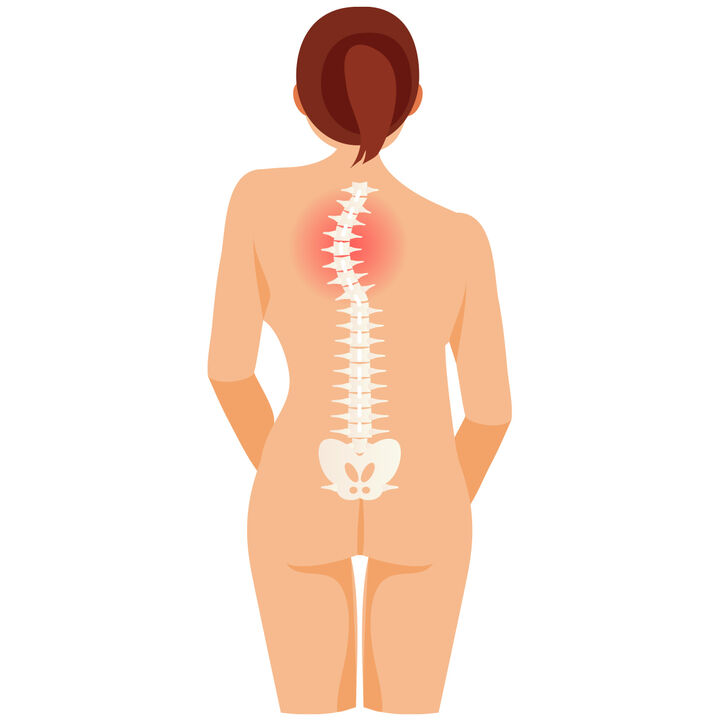
The term “thoracic scoliosis” refers to curvature of the thoracic, or middle, region of the spine. It is the most typical site of scoliosis curvature and frequently involves deformities of the spine and rib cage. One shoulder may get elevated or one leg may appear longer than the other when the rib cage develops asymmetrically.
2. Lumbar Scoliosis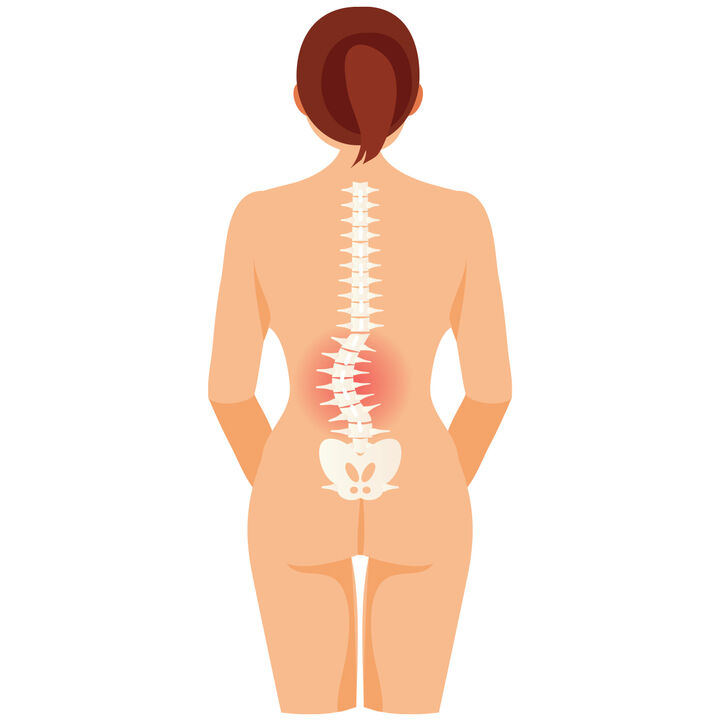
The lumbar, or lower, region of the spine is affected by lumbar scoliosis. One leg may appear longer than the other or one hip may appear higher than the other. While teenage idiopathic lumbar scoliosis is more common, it has an unknown etiology. In contrast, some occurrences of lumbar scoliosis are degenerative, occurring after age 50 as a result of a collapse of the spine.
3. Thoracolumbar Scoliosis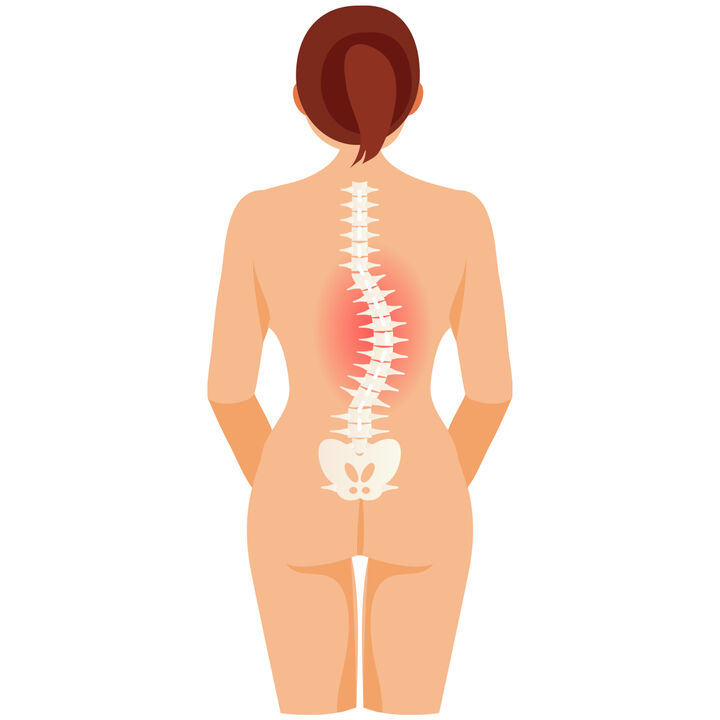
With thoracolumbar scoliosis, the curve includes vertebrae from both the spine’s lower thoracic and upper lumbar parts. It may even be the secondary effect of a neuromuscular condition (such as spina bifida or cerebral palsy).
Conclusion
Living with scoliosis can be challenging, but with the right guidance and care, it’s possible to manage its effects and lead a fulfilling life. Remember, early diagnosis and consistent treatment are key to achieving the best outcomes. If you or someone you know is experiencing symptoms of scoliosis, don’t wait—reach out to a professional.
If you have any questions or need personalized advice, feel free to make an appointment at your nearest Your Physio branch. Our team of experts is here to support you on your journey to better health and well-being.
Stay informed, stay proactive, and take care of your spine!
References
https://www.aans.org/Patients/Neurosurgical-Conditions-and-Treatments/Scoliosis
https://www.srs.org/Patients/Conditions/Scoliosis
https://treatingscoliosis.com/blog/scoliosis-types-differences/
Janicki, J. A., & Alman, B. (2007). Scoliosis: Review of diagnosis and treatment. Paediatrics & child health, 12(9), 771-776. https://academic.oup.com/pch/article/12/9/771/2648067
Prepared by:
Yuci Leong Cea Sian
Your Physio Penang