

What Is Sarcopenia?
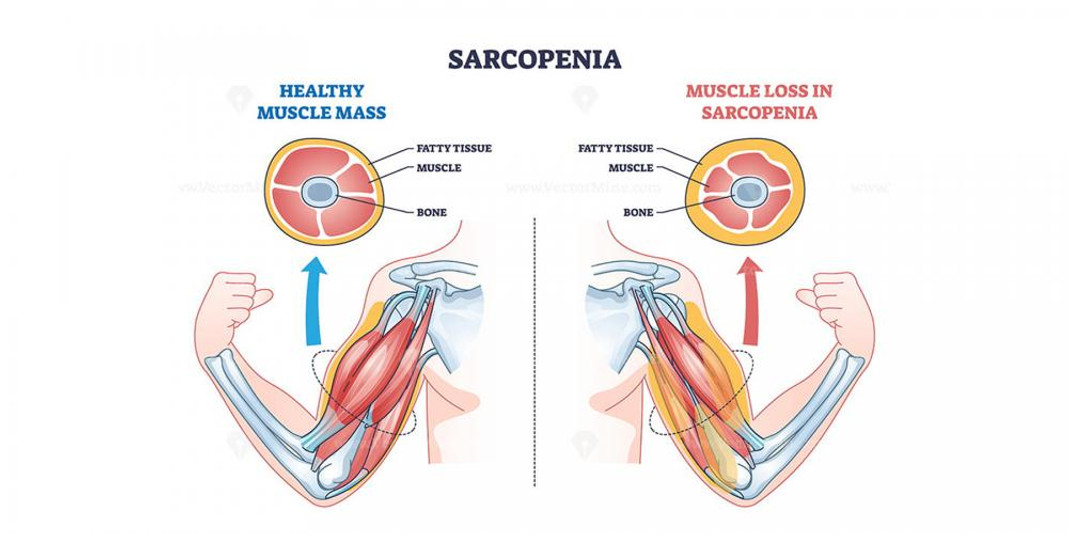
Sarcopenia is a silent yet serious condition affecting millions, particularly as we age. This progressive muscle disorder leads to the rapid loss of muscle mass and strength, increasing the risk of falls, frailty, and even death. Studies show that adults lose about 3–8% of muscle mass each decade after 30 (Petermann‐Rocha et al., 2022). Understanding its causes and prevention is crucial to maintaining strength and vitality as we grow older.
Causes of Sarcopenia
The causes of sarcopenia are multifaceted, combining physical, biological, and lifestyle factors:
- Hormonal Changes: Hormones such as testosterone and growth hormone play a crucial role in muscle maintenance. As we age, these hormone levels naturally decline, contributing to muscle loss.
- Reduced Physical Activity: “Use it or lose it” applies perfectly to muscle health. People who lead sedentary lifestyles or those who stop exercising due to injury, illness, or aging itself are more likely to experience accelerated muscle loss.
- Protein Deficiency: Protein is essential for muscle repair and growth. Many older adults have lower protein intake, which can hinder muscle synthesis and contribute to sarcopenia.
- Chronic Inflammation: Age-related chronic inflammation, often exacerbated by illnesses like diabetes or heart disease, accelerates muscle degradation.
(Cruz-Jentoft & Sayer, 2019)

Signs and Symptoms
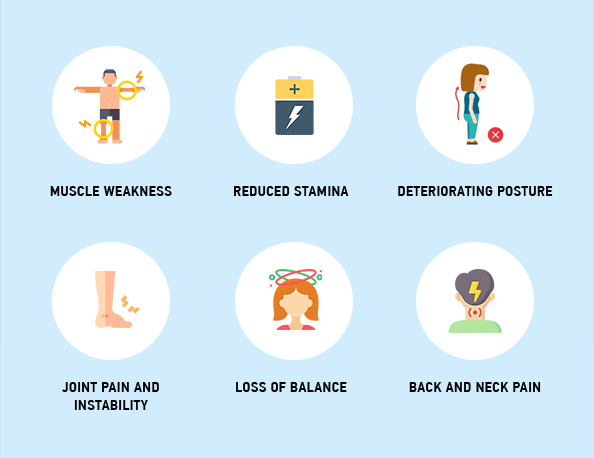
Sarcopenia can be hard to spot early, as symptoms often overlap with the general signs of aging. However, common symptoms include:
- Weakness and difficulty in performing daily activities
- Reduced stamina and feeling easily fatigued
- Loss of muscle size and tone
- Balance issues and increased risk of falls
- Difficulty climbing stairs or rising from a chair
(Cruz-Jentoft & Sayer, 2019)
Combating Sarcopenia: Prevention and Treatment
While aging is inevitable, sarcopenia doesn’t have to be. There are several ways to slow down or even reverse its effects:
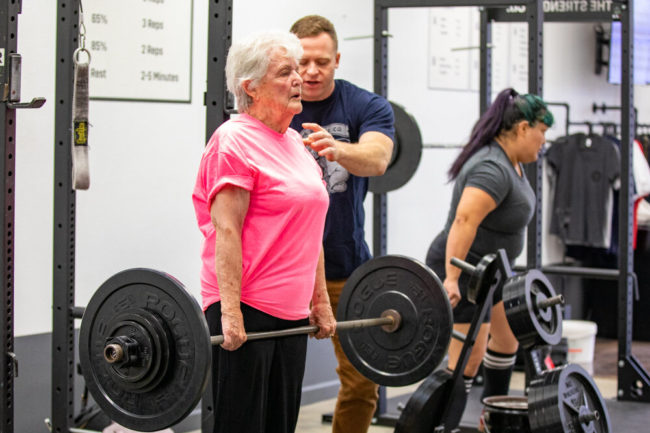
- Strength Training: Resistance exercises, such as weight lifting or bodyweight exercises (like squats or push-ups), are the most effective way to combat muscle loss. Just two to three days of strength training per week can significantly boost muscle mass and strength.
- Adequate Protein Intake: Increasing protein intake is essential for muscle maintenance. Foods like lean meats, fish, eggs, legumes, and dairy are excellent sources. Some may benefit from protein supplements if their dietary intake is insufficient.
- Vitamin D: Vitamin D plays a key role in muscle function. Many older adults have lower vitamin D levels, so supplements might be necessary, especially for those not getting adequate sunlight exposure.
- Balanced Physical Activity: Along with strength training, incorporating aerobic exercises like walking, swimming, or cycling can improve endurance and overall health.
- Stay Social and Active: Staying mentally and socially engaged can motivate regular activity, helping maintain strength and independence.
(Moore et al., 2020)
Conclusion
Sarcopenia may be a natural part of aging, but it doesn’t have to be inevitable or debilitating. With the right lifestyle adjustments—through exercise, nutrition, and staying active—its effects can be minimized. Understanding sarcopenia and taking proactive steps to counter it empowers us to maintain a higher quality of life and independence as we age. The sooner we take action, the better our chances of aging gracefully with strength, vitality, and resilience.
If you’re still unsure whether certain exercises might help or harm your body, you’re not alone, and you don’t have to navigate it alone either. Consulting with a physiotherapist can provide the clarity and confidence you need. With our guidance, you’ll receive a personalized exercise plan that aligns with your condition, goals, and limitations!!

Reference
Cruz-Jentoft, A. J., & Sayer, A. A. (2019). Sarcopenia. The Lancet, 393(10191), 2636-2646.
Moore, S. A., Hrisos, N., Errington, L., Rochester, L., Rodgers, H., Witham, M., & Sayer, A. A. (2020). Exercise as a treatment for sarcopenia: an umbrella review of systematic review evidence. Physiotherapy, 107, 189-201.
Petermann‐Rocha, F., Balntzi, V., Gray, S. R., Lara, J., Ho, F. K., Pell, J. P., & Celis‐Morales, C. (2022). Global prevalence of sarcopenia and severe sarcopenia: a systematic review and meta‐analysis. Journal of cachexia, sarcopenia and muscle, 13(1), 86-99.
Prepared by
Cindy Chai
Your Physio Ampang